The art of communal dining is a great example of a
collectivism culture such as Malaysia. Eating in Malaysia is often marked as a
communal affair–be it the Chinese New Year’s Eve reunion dinner, Malay’s
Kenduri, or Indian celebrations. During the feast friends and families come
together under the same roof–eating, socializing, and mingling. Never mind the
different ethnic origins or walks of life, when it comes to communal dining
events, there is no barrier as we speak the same language of food…
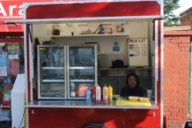
One of the best illustrates in the art of communal dining in Malaysia is “Lok
Lok.” Lok Lok is like a steamboat / hotpot / shabu shabu with a wide range of
fresh foods such as meat, seafood, fish balls, vegetables, quail eggs, etc.
placed on little skewers and laid out upon a round table with a pot of boiling
water as the centerpiece.
The half the enjoyment of Lok Lok lies in the DIY preparations (the other half
is the eating). Once everyone is seated around the table, they pick out their
selections and dip the skewered food into the pot and wait for them to cook.
After the cooking process, sauces are added to the food. In a way, eating Lok
Lok is like masak-masak (a little cottage game where kids play with foods) for
adults. Everyone talks and laughs amidst the preparations and that’s exactly
the fun and art of communal dining.
Food: making social science fun for over 10,000 years.